A tree usually does not go from healthy to failing overnight. More often, the decline starts quietly. Leaves lose their usual color, the canopy becomes thinner, a few branches die back, or the soil around the trunk stays unusually dry. These changes are easy to overlook, especially when the tree still looks mostly fine from a distance. That is where regular tree health care in Orange County becomes useful. The goal is not simply to respond when a tree is already struggling, but to notice the small changes that can point to a larger problem.
Start With the Canopy
The canopy can tell you quite a bit about what is happening inside a tree. Look for thinning foliage, yellow or pale leaves, dead branch tips, unusual leaf drop, or sections that look noticeably different from the rest of the crown. One discolored leaf is not necessarily a concern. A repeated pattern is more meaningful. When the same area continues to deteriorate, it is worth investigating what is causing the change. Water stress, nutrient deficiencies, insects, disease, and root problems can all show up in the canopy, sometimes in ways that look remarkably similar.
Check the Soil and Root Zone
Tree health begins below the surface as much as it does above ground. Compacted soil, poor drainage, inadequate moisture, and nutrient imbalances can interfere with root development and make it harder for a tree to absorb what it needs. Orange County landscapes can also experience periods of heat and drought that place additional pressure on trees. When roots are struggling, the effects may eventually appear in the canopy. A professional assessment can help identify soil and root-related concerns before they contribute to serious decline.
Take Pest and Disease Warning Signs Seriously
When insects and pests are not identified early, they can move from a minor concern to a significant problem. So it is necessary to keep an eye out for things that seem out of place, such as unusual holes, discolored bark, fungal growth, excessive sap, weakened branches, or other changes that were not present previously. Some issues are visible at an early stage and may not be easy to spot without regular inspections, so that is the reason why why ongoing monitoring matters the most. Our approach to tree health care in Orange County is centered on catching these warning signs early and looking closely at what is causing the stress, rather than waiting until the damage is too obvious to ignore.
Do Not Blame Everything on the Weather
Heat, drought, and seasonal changes can certainly affect trees, but weather is not always the complete explanation for poor growth. A stressed tree may also be dealing with depleted nutrients, compacted soil, root damage, pests, or disease. In many cases, several factors overlap. A tree that has been struggling with limited moisture, for example, may have less ability to withstand an insect infestation. Looking at the whole landscape rather than one symptom gives us a much clearer idea of what the tree needs. A useful inspection should consider several details, including:
- Changes in foliage color, density, and growth
- Dead, cracked, or weakened branches
- Insect activity or disease symptoms
- Soil moisture and drainage
- Compaction around the root zone
- Root flare and visible structural changes
- Signs of ongoing environmental stress
Palm Trees Require Specialized Monitoring
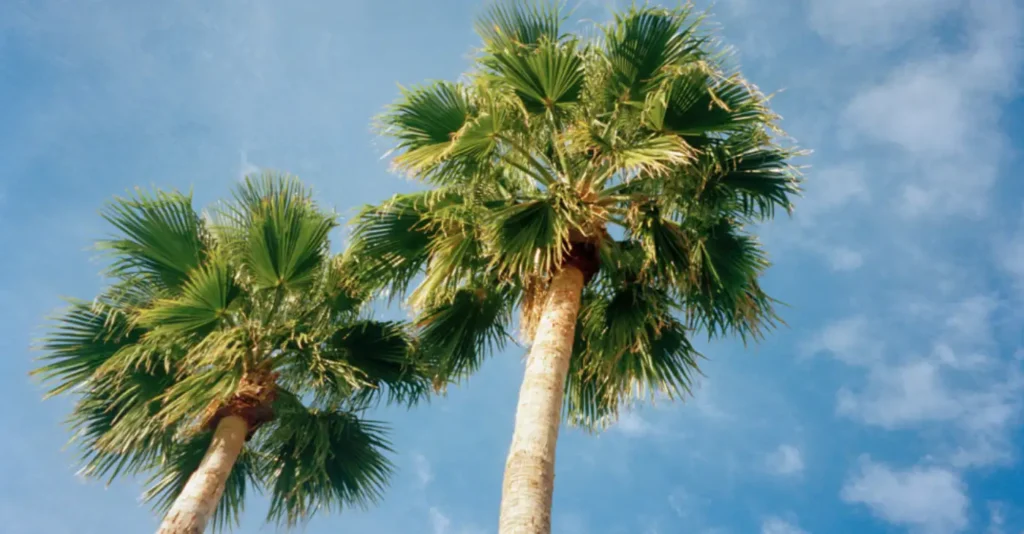
Palms have their own vulnerabilities, and their symptoms should not be interpreted in the same way as those of other landscape trees. Nutrient deficiencies, fungal diseases, trunk problems, watering issues, and serious pests can all affect palm health. Palm tree health care in Orange County involves paying close attention to the canopy, trunk, soil, and overall condition of the palm so potential problems are not dismissed as ordinary aging or seasonal change. Early recognition is particularly valuable when a problem can spread or become difficult to manage.
Prevention Is Usually the Better Strategy
Waiting for a tree to become obviously unhealthy leaves fewer opportunities to correct the conditions contributing to its decline. Preventive monitoring takes a different approach. We look for changes before they become severe, assess the surrounding growing conditions, and address problems according to what the tree actually needs. That may involve improving soil conditions, adjusting watering practices, supplying nutrients, monitoring for pests, or recommending targeted treatment. Good tree care is not about applying the same solution to every property. Trees respond to their species, environment, age, soil, and history.
At OC Plant Health Care LLC, we focus on understanding those details rather than treating symptoms in isolation. A tree that looks unhealthy may have a very different underlying problem from one growing a few yards away, even when both show similar signs.
Conclusion
Trees tend to give warning before serious decline becomes obvious. The challenge is noticing those warnings and understanding what they mean. Consistent tree health care in Orange County can help identify stress, pests, disease, soil problems, and other concerns while there is still time to respond thoughtfully. If your trees look different than they did a season ago, or you simply want to understand their current condition, contact our team at OC Plant Health Care LLC to arrange a professional assessment and take a closer look before a manageable problem becomes a much larger one.
FAQs
1. What are the early signs of tree health problems?
Yellowing leaves, thinning foliage, dead branches, unusual bark changes, and pest activity can all indicate a developing problem. Regular inspections can help catch these signs early.
2. How does soil affect tree health?
Poor drainage, compacted soil, and nutrient imbalances can restrict healthy root growth. Addressing soil conditions can help trees absorb water and nutrients more effectively.
3. How often should trees be inspected for pests and diseases?
Routine inspections make it easier to notice subtle changes before they become serious. The ideal frequency depends on the tree species, site conditions, and potential risks.
4. Do palm trees need specialized health care?
Yes, palms can face specific problems involving nutrients, pests, diseases, watering, and soil conditions. Specialized monitoring helps identify these concerns before they cause extensive damage.
5. Why is preventive tree care important?
Preventive care helps identify stress and potential problems before a tree reaches an advanced stage of decline. Early attention can also provide more options for maintaining its long-term health.