Introduction
Most people do not notice a tree until something changes. One week, the canopy looks full and green, and the next, patches of yellow begin appearing where healthy leaves used to be. It is easy to assume the weather is to blame or that the tree simply needs more water, but yellowing leaves rarely tell the whole story. They are a symptom, not a diagnosis. A tree reacts to stress in surprisingly similar ways, whether the problem starts in the roots, the soil, or the canopy. That is why understanding the cause matters far more than reacting to the color alone.
Yellow Leaves Can Mean Many Different Things
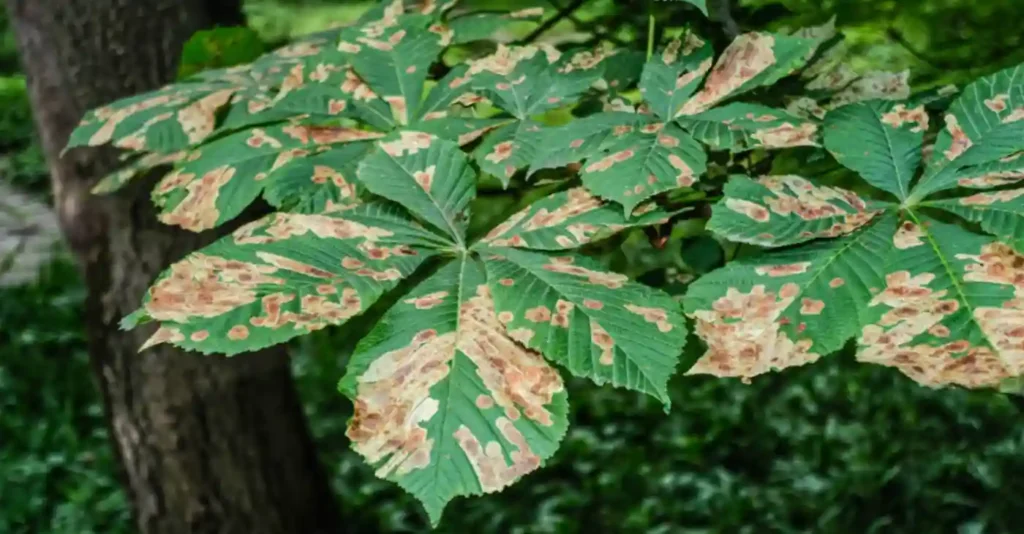
A tree does not turn yellow for just one reason. Nutrient deficiencies can interfere with chlorophyll production, but so can compacted soil that prevents roots from functioning properly. Excess moisture can create conditions for root decline just as easily as prolonged drought can. Insects feeding beneath the bark or on the foliage may produce similar symptoms, and certain fungal diseases often begin with subtle discoloration long before branches start dying back. Looking at yellow leaves without considering everything else is a bit like trying to diagnose a fever without asking what caused it.
Why Guessing Usually Leads to Bigger Problems
Many property owners understandably try the simplest solution first. They water more, spread fertilizer, or buy a general insect treatment from a garden center. Sometimes those efforts do no harm, but they often do little good because the underlying issue remains untouched. Fertilizer will not correct root rot, and extra watering will not solve an insect infestation. Through insect disease diagnostics arborists OC, trained professionals examine the complete picture before recommending treatment, making it far more likely that the tree receives the care it actually needs instead of a temporary fix.
Signs That Point to a More Serious Issue
Yellow leaves become much more concerning when they appear alongside other changes in the tree. If you notice any of the following, it is worth having the tree evaluated before the damage progresses:
- Leaves are dropping well before the normal season
- Yellowing that spreads quickly through the canopy
- Brown or black spots developing on the foliage
- Visible insects or signs of feeding damage
- Dead branches appearing in otherwise healthy areas
- Bark splitting, cracking, or beginning to peel
A Proper Inspection Goes Beyond the Leaves
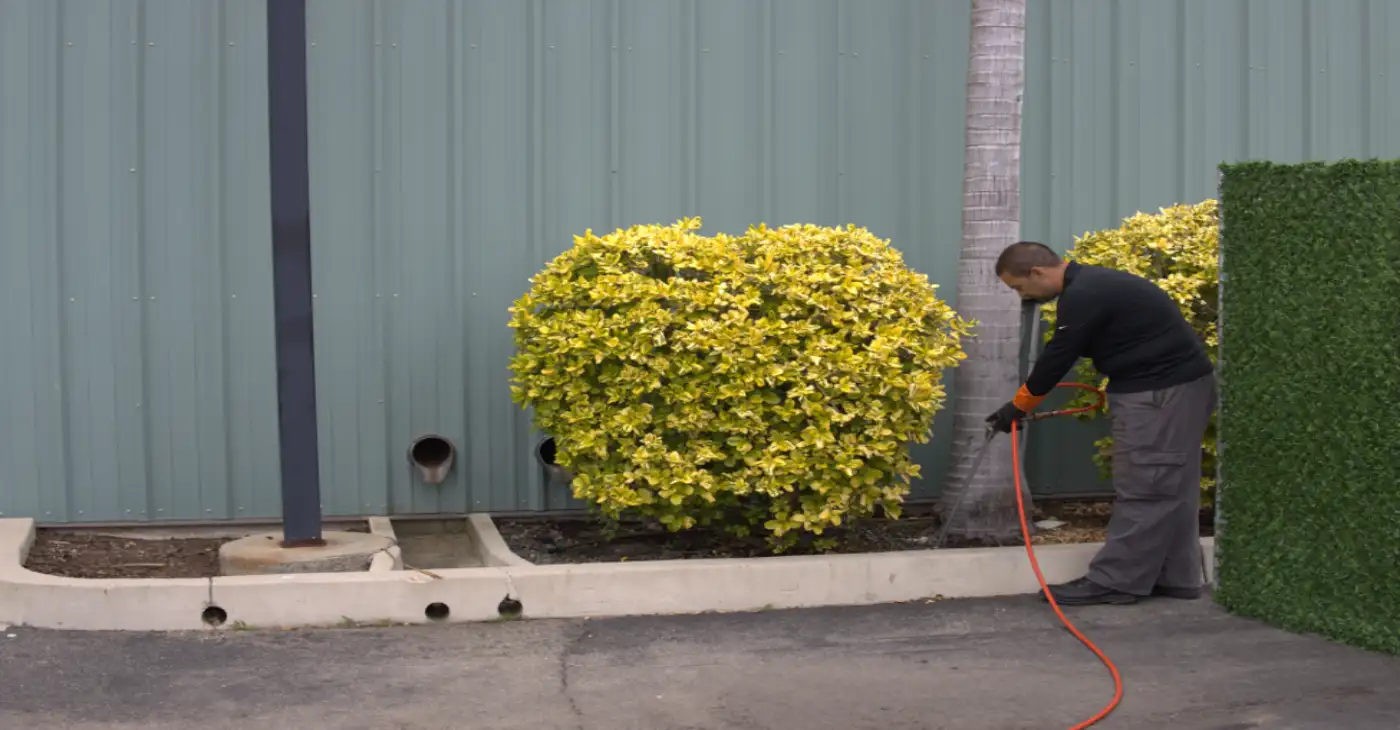
The leaves may draw your attention, but they are rarely where the investigation ends. A thorough assessment includes examining the trunk, branch structure, root flare, soil conditions, drainage, and even nearby construction or landscape changes that may have affected the root system. Sometimes the problem has been developing quietly for months before the leaves finally respond. Other times, a recent change in the environment is enough to stress an otherwise healthy tree. Experience helps distinguish between those situations because no two trees decline in the same way.
Early Diagnosis Gives Trees the Best Chance to Recover
Sometimes the difference between saving a tree and losing it comes down to timing. We have visited properties where the leaves looked like the biggest concern, but after a closer look, the real issue turned out to be somewhere else entirely. That is why we take a careful approach to Plant Disease Diagnosis in Orange County. We look at the roots, the soil, the trunk, the canopy, and everything in between before suggesting any treatment. It takes a little more time, but it gives us a much clearer picture of what the tree actually needs.
Experience Matters More Than Quick Answers
Healthy trees rarely stay healthy by accident. They benefit from proper growing conditions, regular observation, and informed decisions when something changes. At OC Plant Health Care LLC, we believe every diagnosis should begin with careful inspection instead of guesswork. Trees often have years of life ahead of them, even when they appear to be struggling, provided the right problem is identified at the right time.
Conclusion
Yellow leaves are easy to dismiss, especially if the rest of the tree still looks healthy. The trouble is that trees often show subtle signs long before the bigger problems become obvious. Finding out what is really going on early can save you from much more expensive repairs or even the loss of a mature tree. If something about your trees does not look right, it is worth having them checked instead of guessing. Contact us today to schedule a professional evaluation, and we will help you understand what your trees are telling you and what should happen next.
FAQs
1. Why are my tree leaves turning yellow?
Yellow leaves can result from several factors, including nutrient deficiencies, watering issues, pests, or disease. A professional diagnosis helps identify the exact cause.
2. When should I have my tree inspected?
If yellowing spreads, leaves drop early, or other unusual changes appear, it is a good time to schedule a professional tree evaluation.
3. Can a tree recover after its leaves turn yellow?
Yes. Many trees recover well when the underlying issue is identified early, and the appropriate treatment is provided
4. What does a professional tree diagnosis include?
A complete inspection looks at the leaves, trunk, roots, soil, drainage, and overall tree health to determine the source of the problem.
5. Why is professional diagnosis better than guessing?
Accurate diagnosis helps target the root cause, preventing unnecessary treatments and supporting your tree’s long-term health.